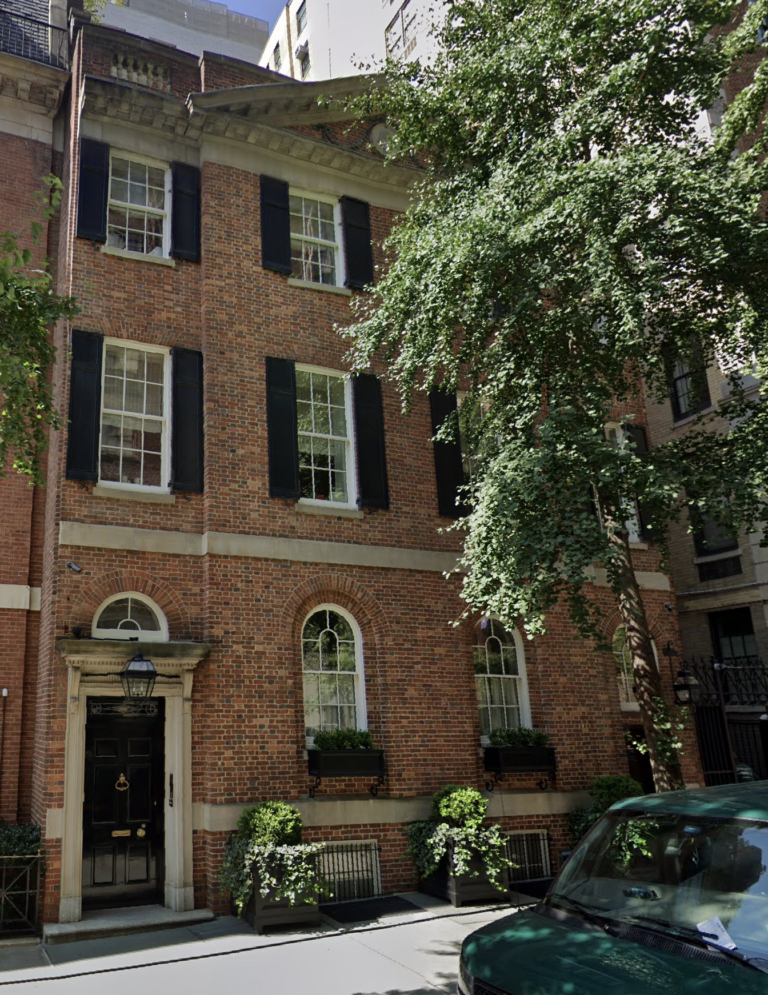
116 East 80th Street
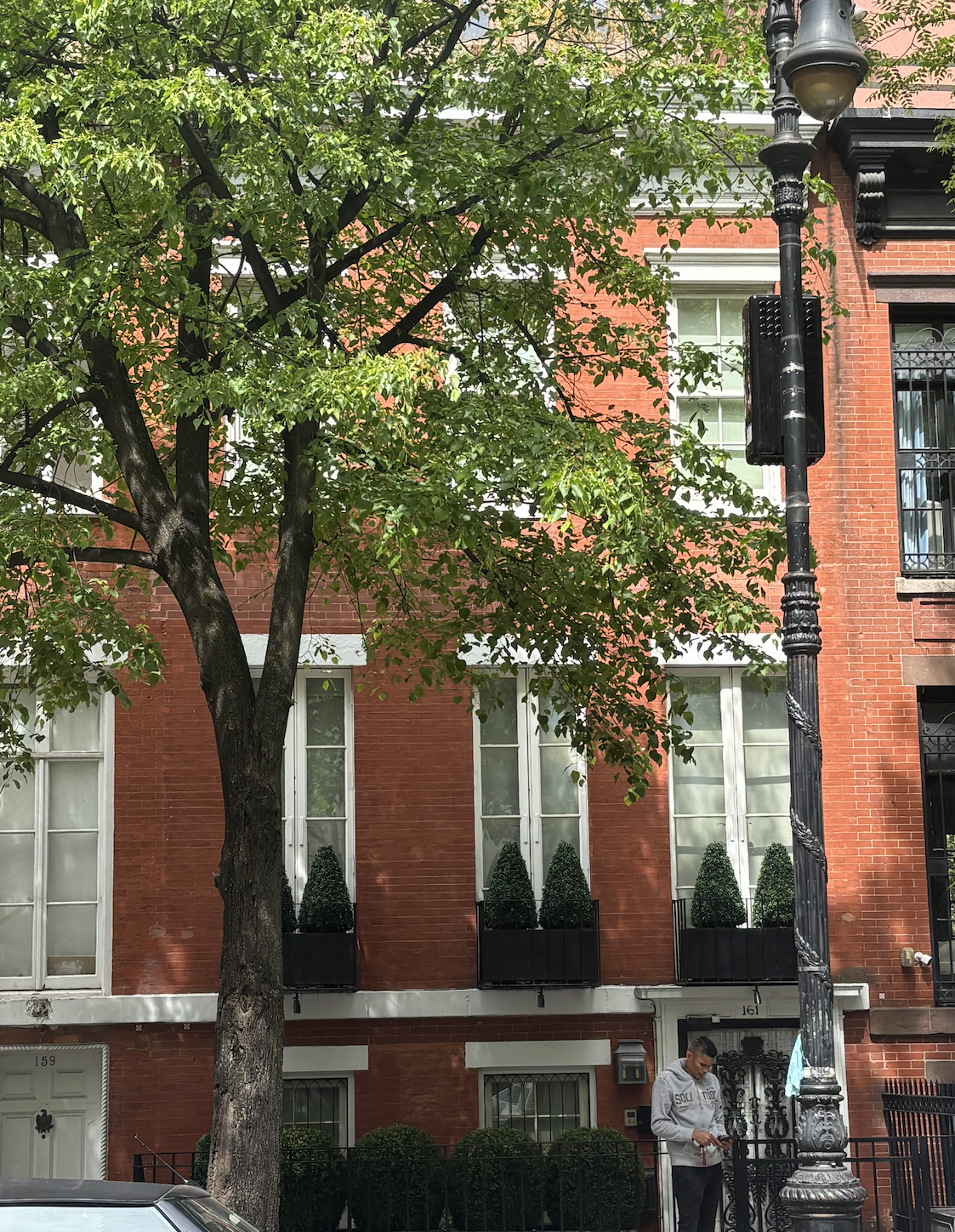
159 & 161 East 78th Street
Two years after the City of Yes zoning changes were adopted, their impact is no longer theoretical—it is beginning to reshape the Upper East Side in ways that FRIENDS and many residents feared. FRIENDS opposed the Adams administration's sweeping rezoning proposal and warned that it would fundamentally alter neighborhoods like ours without sufficient safeguards for their character, infrastructure, and quality of life. As these changes take hold, the concerns we raised are becoming increasingly relevant. You can read our letter outlining our objections to the City of Yes for Housing Opportunity here.
One significant change made by City of Yes expanded the rules governing the Transfer of Development Rights (TDRs). Previously, many transfers required a special permit from the City Planning Commission (CPC). The new zoning allows development rights to be transferred across broader areas—including across streets and intersections—without a CPC special permit. While these transfers can provide important funding for the preservation of landmarked properties, they skew development, allowing receiving sites to increase their allowable floor area by up to 25 percent without affordability requirements or protections for neighborhood character.

Expanded transfer radius with City of Yes
How Is This Affecting the Upper East Side?
The effects of these zoning changes are now emerging through a series of recent TDR applications directly affecting the Upper East Side. Since May 2026, the Landmarks Preservation Commission (LPC) approved three TDR applications involving landmarked buildings: 159 East 78th Street, 161 East 78th Street, and 116 East 80th Street. In each case, the owner of the landmark building was permitted to transfer unused development rights in exchange for a Continuing Maintenance Program (CMP) intended to support the long-term preservation of the building.
What is particularly concerning is that all three transfers are directed to the same receiving site on Lexington Avenue at East 79th Street, immediately outside the Upper East Side Historic District. The cumulative effect of these transfers allows a single development site to build significantly larger than it otherwise could, without affordability requirements or safeguards for neighborhood character.
FRIENDS objected to all three applications—not because we oppose TDRs as a preservation tool, but because the process lacks transparency and clear public standards. While we support providing landmark owners with resources to maintain historic buildings, the LPC never adequately explained how it evaluates these transfers, how it considers the cumulative impacts of multiple transfers to the same receiving site, or how it addresses impacts on neighboring properties, including access to light and air, neighborhood scale, character, and livability.
Read our testimony on the TDR applications at 116 East 80th Street and at 159 & 161 East 78th Street.
A Gap in Oversight
During the public hearings, the LPC emphasized that its jurisdiction is limited to reviewing the landmark property's Continuing Maintenance Program and that the receiving development site falls outside its authority. While that may be true under the current regulatory framework, the cumulative impacts of multiple TDR transfers extend well beyond the landmark itself. They have real consequences for the surrounding neighborhood and for the long-term preservation of the Upper East Side.
Following these hearings, FRIENDS joined other preservation organizations in submitting a joint letter to the LPC. The letter raised concerns about the cumulative impacts of directing multiple transfers to a single receiving site and urged the Commission to:
- establish a transparent, publicly available framework for reviewing and enforcing Continuing Maintenance Programs;
- retain commissioner and public review of TDR applications rather than shifting approvals to staff;
- publish clear guidance explaining how CMPs are evaluated, monitored, and enforced, including reporting requirements and coordination with other city agencies; and
- establish defined end dates or periodic reapplication requirements to ensure continued accountability and consistency.
In response, the LPC confirmed that it has no jurisdiction over the design, massing, or location of receiving sites outside historic districts. While receiving sites remain subject to overall floor area ratio (FAR) and height limits—including the 20 to 25 percent cap on additional floor area permitted under the zoning—the response confirms that no agency is currently evaluating the cumulative planning impacts when one development site receives transfers from multiple landmark properties.
This regulatory gap is precisely what concerns FRIENDS. We believe there should be greater coordination between the LPC, the Department of City Planning (DCP), and other relevant agencies to evaluate these cumulative impacts before they fundamentally alter neighborhood character.
Moving Forward: Preservation and Planning Together
Many of the broader planning questions raised by these applications extend beyond the LPC's jurisdiction. As implementation of the new TDR program continues, FRIENDS, together with other preservation organizations, will engage with the Department of City Planning and advocate for stronger coordination among the LPC, DCP, and other relevant city agencies. We continue to believe that eliminating the City Planning Commission's special permit requirement removed an important layer of public oversight. We urge the City to restore meaningful review of TDR transfers, establish clear standards for evaluating their cumulative impacts, explain transparently decision making processes, and ensure that preservation policy and neighborhood planning work together—not in isolation—to protect the historic character, scale, and livability of the Upper East Side.